WHY SOFT CERAMIC SOFT STONES ARE SUSTAINABLE
The modern construction and interior design industries are pivoting toward materials that balance aesthetic luxury with environmental responsibility. Soft Ceramic Soft Stones have emerged as a frontrunner in this shift.
At The Furnishing Company, we prioritize materials that reduce carbon footprints without compromising on durability. Here is why soft ceramic stone is the sustainable choice for future-forward spaces.

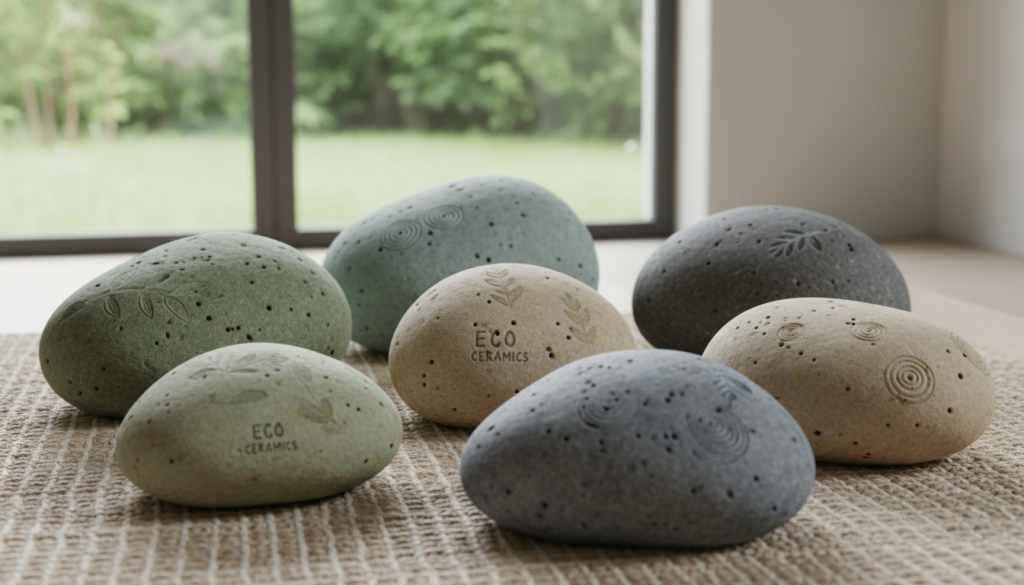
1. Low-Energy Production
Traditional ceramics and natural stones require high-heat firing (often exceeding 1,200°C) or energy-intensive quarrying. Soft ceramic utilizes a “modified clay” technology.
- Reduced Emissions: The manufacturing process uses significantly lower temperatures.
- Energy Efficiency: Lower heat requirements translate directly to a smaller industrial carbon footprint.
2. Composition and Recyclability
Soft ceramic stones are primarily composed of natural mineral powder and eco-friendly polymers.
- Zero Waste: Many variants are fully recyclable, allowing them to be repurposed at the end of their lifecycle.
- Resource Preservation: By mimicking natural stone textures using modified clay, we reduce the demand for destructive open-pit quarrying.
3. Lightweight Logistics
One of the most overlooked aspects of sustainability is transport. Soft stone is remarkably thin and lightweight compared to traditional slabs.
- Fuel Efficiency: Lower weight allows for more product per shipment, reducing transport-related CO2 emissions.
- Ease of Install: Their flexibility allows for installation over existing surfaces, minimizing demolition waste and the need for heavy machinery on-site.
Conclusion
Soft ceramic soft stones represent a shift toward circular economy principles in Singapore’s design landscape. They offer the raw, tactile beauty of stone with a fraction of the environmental cost.